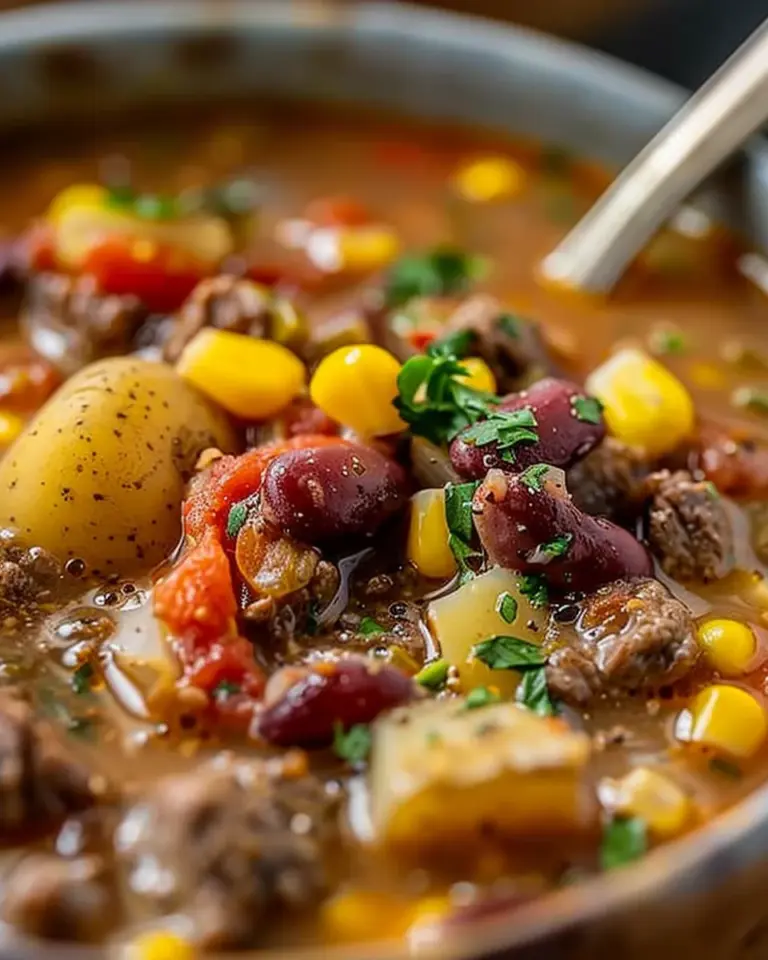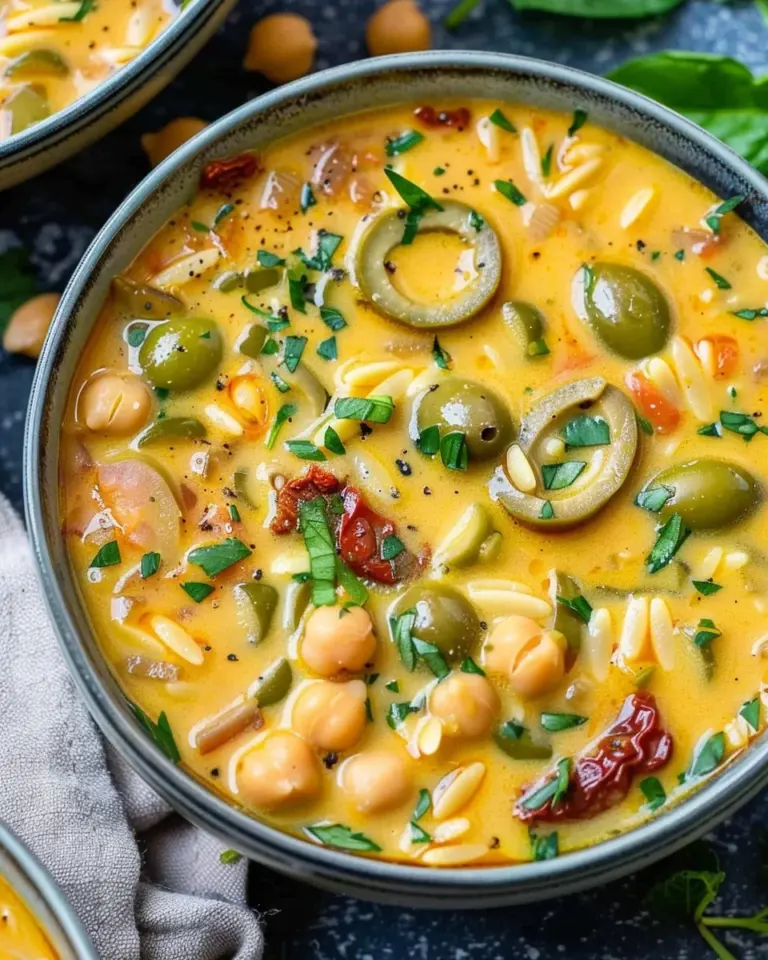
The Best Creamy Seafood Chowder
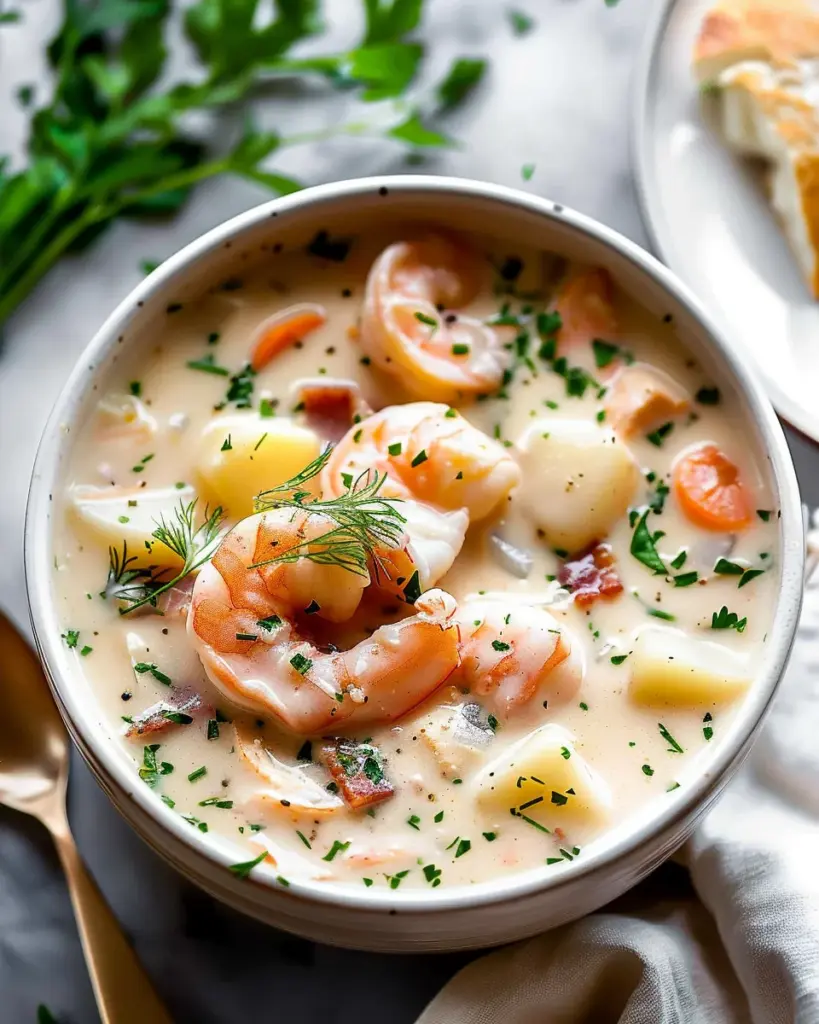
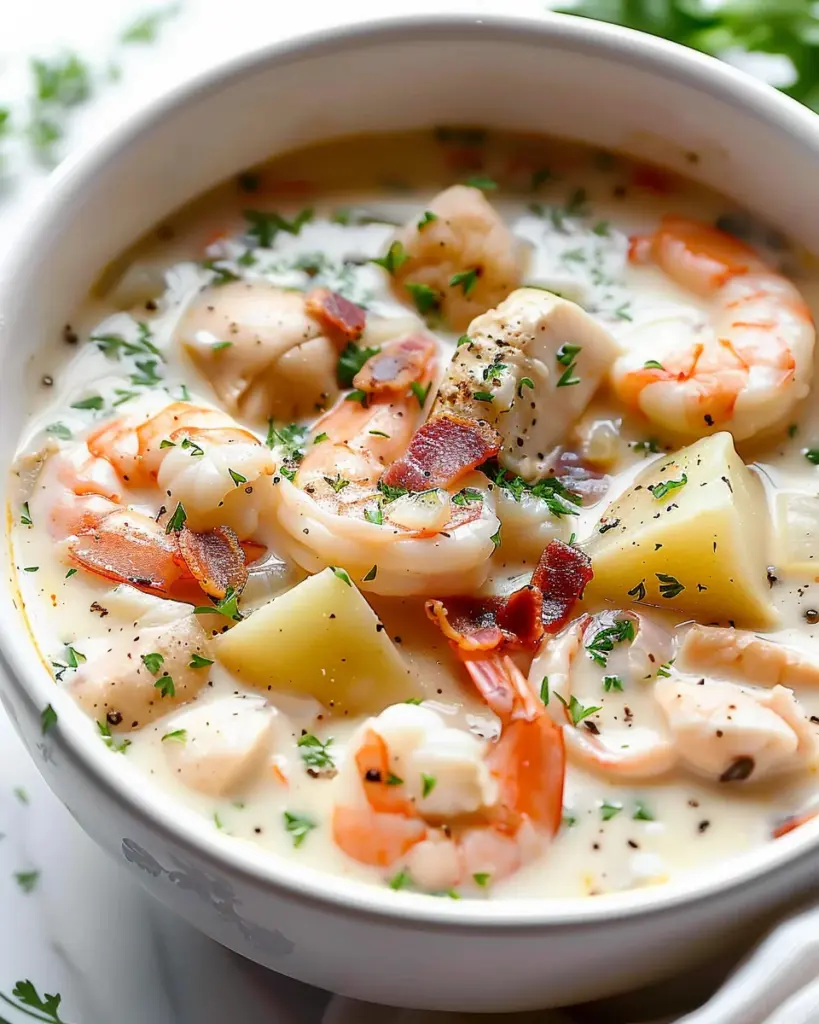
There’s nothing quite like a warm, creamy seafood chowder to bring comfort to a chilly evening. This soul-satisfying dish is the ultimate in one-pot indulgence, brimming with tender shrimp, flaky salmon, and juicy white fish, all nestled in a luxurious broth enriched with double cream and the smoky essence of crispy bacon or pancetta.
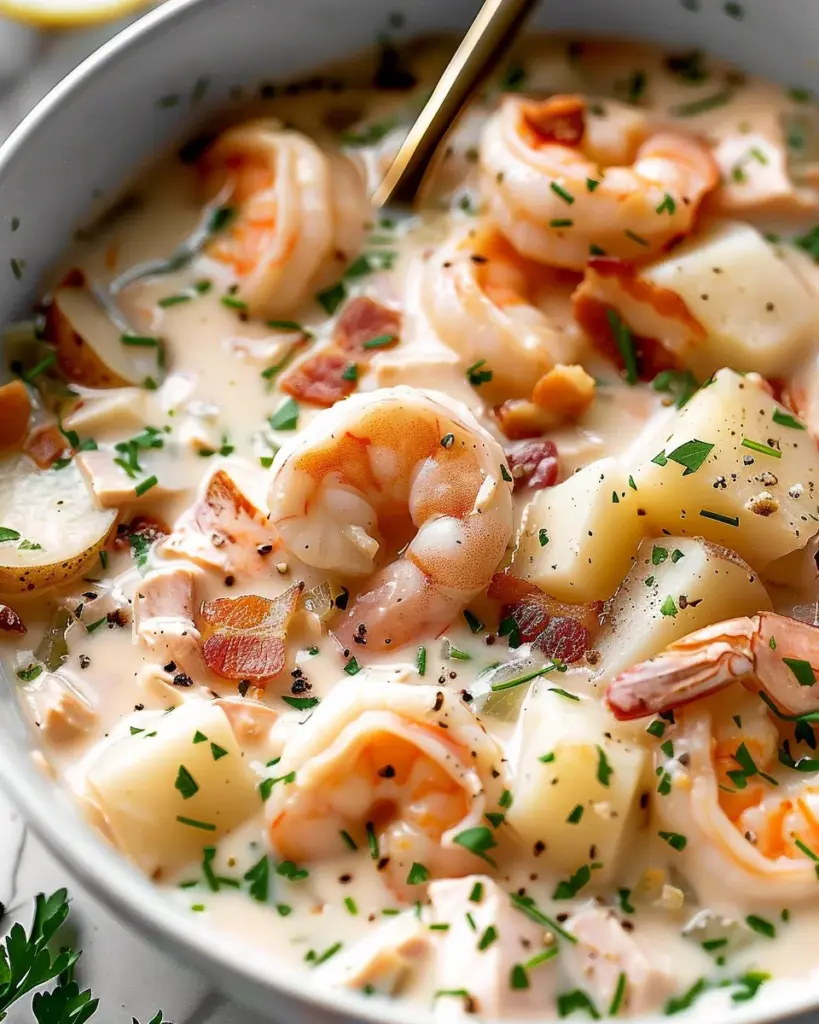
Perfect for cosy dinners, special gatherings, or when you simply crave something hearty and wholesome, this creamy seafood chowder delivers a restaurant-quality experience at home. It’s rich but not heavy, deeply flavorful, and wonderfully textured with soft potatoes, sweet carrots, and a touch of wine.
Why you’ll love this recipe:
- Combines shrimp, salmon, white fish, and optional shellfish for layers of flavor
- Uses crispy bacon or pancetta to build a rich, smoky base
- Thickened with a light roux for that perfect chowder consistency
- Ready in under an hour — ideal for weeknight meals
- Flexible with fresh or frozen seafood
This dish isn’t just delicious — it’s dependable, versatile, and rewarding to cook. Let’s get started with the essentials.
Preparation Phase & Tools to Use
Essential Tools and Equipment
To create a truly smooth and creamy seafood chowder, the right tools make all the difference. Here’s what you’ll need:
- Large heavy-bottomed pot (6–8 quart) – Prevents burning and ensures even heat distribution
- Slotted spoon – Perfect for removing bacon or pancetta while leaving the flavorful fat behind
- Wooden spoon or silicone spatula – Ideal for stirring without damaging your pot
- Whisk – Crucial for blending the roux and broth smoothly, avoiding lumps
- Cutting board & sharp chef’s knife – Ensures precision and uniform chopping of ingredients
- Measuring cups/spoons or kitchen scale – Keeps proportions accurate
- Ladle – For clean and easy serving
- Bowls for mise en place – Helps keep ingredients organized and speeds up cooking
Each tool plays a critical role in achieving the right texture, depth of flavor, and ease of preparation.
Importance of Each Tool
- Heavy-bottomed pot: Distributes heat evenly and prevents scorching, especially crucial with cream-based soups.
- Whisk: Prevents flour lumps in your roux, ensuring a velvety base.
- Sharp knife: Keeps cuts clean and even — important for consistent cooking times.
- Slotted spoon: Retains flavorful bacon fat while removing solids cleanly.
- Measuring tools: Help balance the chowder’s richness with precision.
- Mise en place bowls: Promote a smooth cooking flow and prevent missed ingredients.
Preparation Tips
- Use thawed, well-drained seafood: Avoid excess water that could dilute the broth.
- Uniform potato dice: Helps ensure even cooking.
- Gently sauté vegetables: Translucent, not browned — this builds the chowder’s aromatic base.
- Cut seafood in large chunks: Prevents overcooking and keeps textures intact.
- Pre-measure flour, cream, herbs: Minimizes last-minute scrambling and improves workflow.
Ingredients for Creamy Seafood Chowder
Seafood & Protein
- 150 g (5 oz) diced bacon or pancetta
- 1 kg (2 lb) mixed seafood (shrimp, salmon, white fish, optional shellfish)
Vegetables & Aromatics
- 1 large onion, finely chopped
- 2 celery stalks, finely chopped
- 1 medium carrot, finely chopped
- 2 cloves garlic, minced
- 2 large potatoes, diced
Liquids & Thickener
- 3 tablespoons flour
- 1.5 liters (6 cups) seafood or chicken broth
- 200 ml (¾ cup) white wine (optional)
- 500 ml (2 cups) double cream (heavy cream)
Seasoning & Finish
- Salt and pepper to taste
- 2 tablespoons chopped fresh parsley
- 1 teaspoon thyme (optional)
Substitution Tips:
- Use chicken broth if seafood broth isn’t available.
- For a lighter version, replace half the cream with milk.
- Swap thyme for dill or tarragon based on preference.
Step-by-Step Directions
1. Prepare the Bacon and Vegetables
- Heat a large pot over medium heat.
- Cook the diced bacon or pancetta until crisp.
- Remove using a slotted spoon and set aside, leaving the fat in the pot.
- Add the onion, celery, carrot, and garlic.
- Sauté until onions are translucent and vegetables are softened.
Tip: Don’t rush this step — slow sautéing builds deep flavor.
2. Make the Roux
- Sprinkle flour evenly over the vegetables.
- Stir well and cook for 1–2 minutes to remove the raw flour taste.
Tip: Stir constantly — the mixture should become slightly golden but not brown.
3. Add the Broth
- Slowly whisk in the seafood or chicken broth, avoiding lumps.
- Add white wine if using and simmer for 1 minute to reduce slightly.
Tip: Deglazing with wine adds an extra layer of flavor.
4. Cook the Potatoes
- Add diced potatoes.
- Bring to a boil, then reduce to a gentle simmer.
- Cook 10–15 minutes or until potatoes are just tender.
Tip: Avoid overcooking — potatoes should hold their shape.
5. Add the Seafood
- Add the mixed seafood and stir gently.
- Cook for 5–10 minutes, until the shrimp are pink, salmon is opaque, and white fish flakes easily.
Tip: Seafood continues to cook from residual heat, so don’t overdo it.
6. Finish the Chowder
- Stir in the cream, salt, pepper, parsley, and thyme (if using).
- Heat through gently for 2–3 minutes.
Tip: Do not boil after adding cream — it can separate.
7. Serve
- Ladle into warm bowls.
- Top with reserved crispy bacon or pancetta.
- Optional: garnish with extra herbs or a swirl of cream.
Variation Tips:
- Add corn or spinach for extra texture.
- Use clams or mussels for a more traditional New England twist.
Serving Creamy Seafood Chowder the Right Way
Once your creamy seafood chowder is hot and ready, presentation and pairing can elevate it from simple comfort food to an impressive main dish. Whether you’re serving this to guests or enjoying a quiet evening at home, here are some ways to make the most of your chowder experience.
Best Serving Practices
- Serve in warm bowls: Preheat your bowls in the oven or fill them with hot water briefly before serving to help maintain the chowder’s temperature.
- Garnish thoughtfully: Add a sprinkle of freshly chopped parsley, a grind of black pepper, or a drizzle of cream. For added texture, top with reserved crispy bacon or pancetta.
- Pair with rustic bread: Crusty artisan bread, soft dinner rolls, or even sourdough are ideal for dipping and soaking up every bit of the creamy broth.
- Offer lemon wedges: A squeeze of fresh lemon adds brightness that cuts through the richness of the dish.
- Wine pairing: Consider serving with a chilled white wine such as Sauvignon Blanc, Chardonnay, or a dry Riesling. A light lager or hard cider also complements the seafood flavors well.
Common Mistakes to Avoid & How to Perfect the Recipe
Creating the perfect creamy seafood chowder is easier when you know what pitfalls to avoid. Here are the most frequent mistakes home cooks make and how to avoid them.
1. Overcooking the Seafood
Mistake: Leaving seafood in the pot too long can make it rubbery or mushy.
Solution: Add seafood at the end and cook gently just until opaque or firm. Turn off the heat once it reaches the correct doneness.
2. Lumpy or Undercooked Roux
Mistake: Skipping proper mixing during the roux stage can lead to flour lumps or uneven texture.
Solution: Cook the flour fully for 1–2 minutes and use a whisk to incorporate broth slowly.
3. Uneven Potato Texture
Mistake: Inconsistent chopping leads to some potatoes being overcooked and others undercooked.
Solution: Dice potatoes evenly and test for tenderness before adding seafood.
4. Too Thin or Too Thick
Mistake: Broth can be watery or overly thick depending on liquid-to-flour ratio.
Solution: Use the correct amount of flour, simmer with lid off to reduce if needed, and avoid excessive liquid additions after thickening.
5. Bland Flavor
Mistake: Not layering flavors or using bland stock results in a flat taste.
Solution: Build flavor from the start — render bacon fat, sauté aromatics well, deglaze with wine, and finish with herbs and cream. Taste and adjust salt just before serving.
6. Boiling After Adding Cream
Mistake: Boiling the chowder after adding cream can cause it to split or become greasy.
Solution: Gently heat the chowder after adding cream — never boil.
Side Dish Recommendations
Pairing the right side dishes with creamy seafood chowder enhances the overall meal and balances its richness. Here are eight delicious and complementary options.
1. Crusty French Baguette or Artisan Bread
- Ideal for soaking up the creamy broth.
- Serve warm with butter or olive oil.
2. Garlic Bread or Herb-Butter Rolls
- The bold garlic flavor complements the seafood beautifully.
- Prepare in advance and toast just before serving.
3. Simple Green Salad with Lemon Vinaigrette
- Adds a refreshing, acidic contrast to the creamy chowder.
- Use a mix of arugula, spinach, or romaine with a lemon-olive oil dressing.
4. Steamed or Roasted Asparagus or Green Beans
- A healthy and crisp side that lightens the meal.
- Add lemon zest or a dash of salt and pepper.
5. Cornbread or Cheddar-Herb Muffins
- Slight sweetness or cheese from these sides contrasts well with smoky bacon and seafood.
6. Roasted Brussels Sprouts with Bacon
- Matches the smoky flavor in the chowder.
- Roast until crispy and toss with olive oil and sea salt.
7. Vinegar-Based Coleslaw
- A tangy, crunchy side that provides relief from the rich, creamy chowder.
- Avoid mayo-based slaws to keep the balance light.
8. Oven-Baked Potato Wedges or Sweet Potato Fries
- Offers a crunchy contrast.
- Season with sea salt, paprika, or garlic powder for extra flavor.
Recipe Tips, Storage, and Reheating Instructions
Making creamy seafood chowder even better comes down to a few key tips and good storage practices. Here’s how to keep it tasting great from first bite to last spoonful.
Expert Recipe Tips
- Use a mix of seafood: Shrimp, salmon, white fish, and shellfish offer different textures and flavors for a more complex chowder.
- Cook seafood gently: Add it at the end and simmer just until cooked. Residual heat finishes the job.
- Let it rest: Chowder often tastes better after sitting for 15–30 minutes. It allows flavors to meld.
- Use good-quality broth: Whether chicken or seafood, a well-seasoned stock forms the flavor backbone.
- Don’t rush the roux: Properly cooked flour ensures a smooth, velvety base.
- Finish with fresh herbs: Add parsley or thyme just before serving for the freshest flavor.
Storage Instructions
- Refrigerator: Store leftover chowder in an airtight container. It will keep in the fridge for up to 3 days.
- Freezer: Not ideal. The cream and potatoes can change texture when frozen. If you must freeze, do so without the seafood, then add it fresh when reheating.
- Labeling tip: Write the date on the container to avoid any guessing.
Reheating Instructions
- Stovetop: Place chowder in a pot over low to medium heat. Stir frequently until just heated through. Avoid boiling.
- Microwave: Reheat in 30–60 second intervals at 50–70% power, stirring in between.
- Too thick? Add a splash of broth, milk, or cream to loosen the consistency.
FAQs – Creamy Seafood Chowder
Can I use frozen seafood?
Yes. Frozen seafood works well if fully thawed and drained. Avoid adding directly from the freezer to the pot.
Can I use milk instead of cream?
You can substitute all or part of the cream with whole milk or evaporated milk for a lighter version. The texture will be thinner but still creamy.
What seafood mix works best?
A mix of shrimp, salmon, white fish, and optional shellfish (like mussels or clams) gives the best variety. Frozen marinara mix is convenient and effective.
How do I avoid rubbery seafood?
Add the seafood at the end of cooking. Cook gently just until opaque, then remove from heat.
Can I make it ahead?
Yes. Prepare up to the point of adding seafood, then refrigerate. Reheat gently and finish with seafood and cream before serving.
Can I freeze creamy seafood chowder?
It’s not recommended due to the texture changes in cream and potatoes. If you need to freeze, do so before adding cream and seafood.
Is seafood broth necessary?
No. Chicken broth works well as a substitute, especially if you’re using rich seafood like salmon and shrimp for flavor.
What bread or side should I serve with it?
Crusty bread, garlic rolls, green salads, or roasted vegetables make excellent pairings.