Creamy New England Fish Chowder
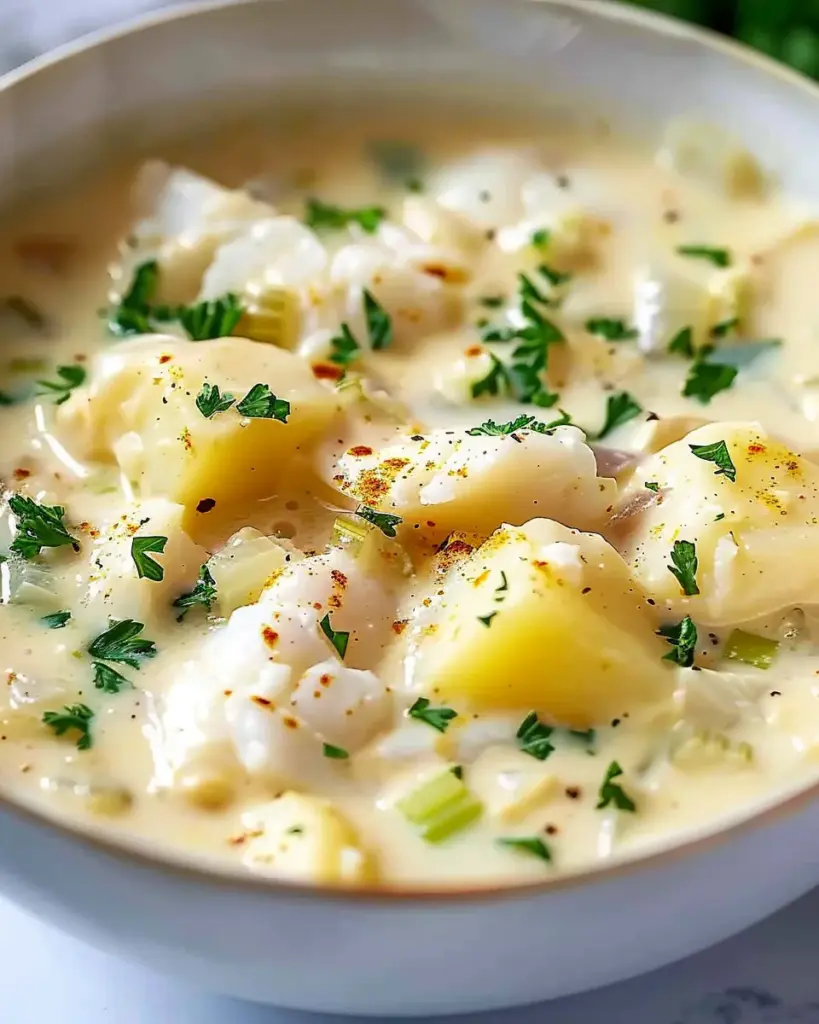
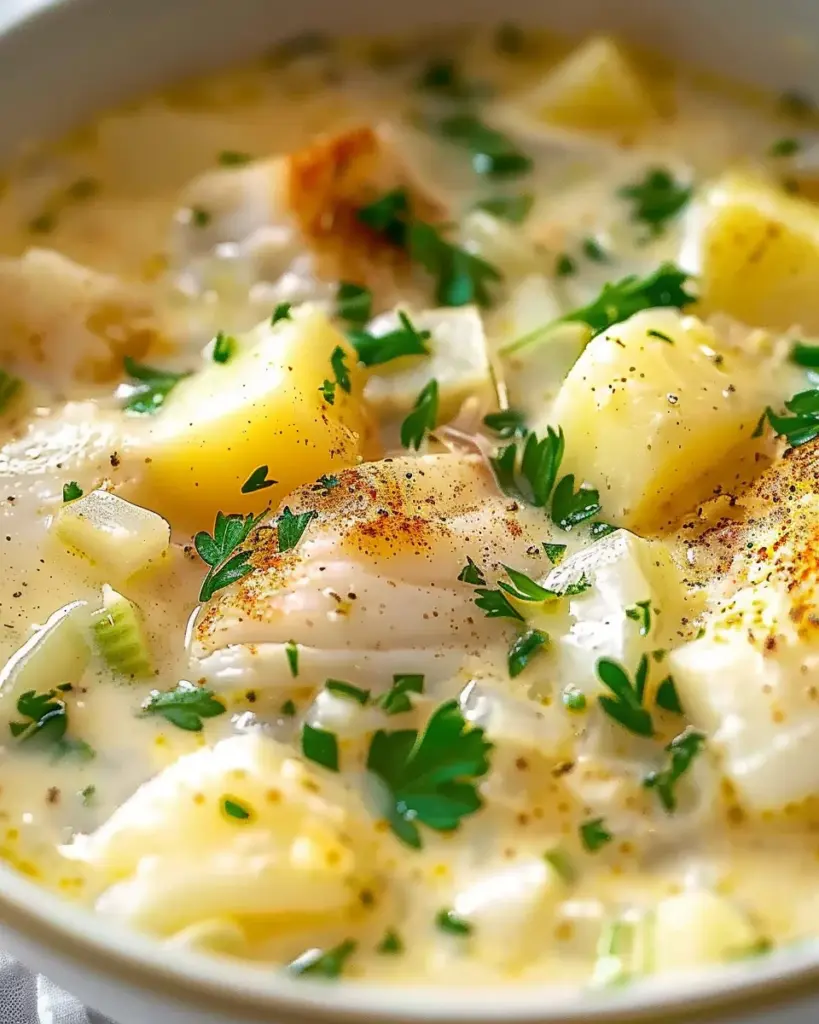
If you’re looking for a cozy, hearty, and soul-warming dish that captures the essence of traditional coastal cooking, Creamy New England Fish Chowder is exactly what you need. This classic dish, deeply rooted in New England’s culinary heritage, blends flaky white fish, tender potatoes, and sweet onions in a rich, creamy broth. It’s the kind of comforting bowl that satisfies with every spoonful, perfect for chilly evenings, family dinners, or impressing guests with authentic regional flavors.
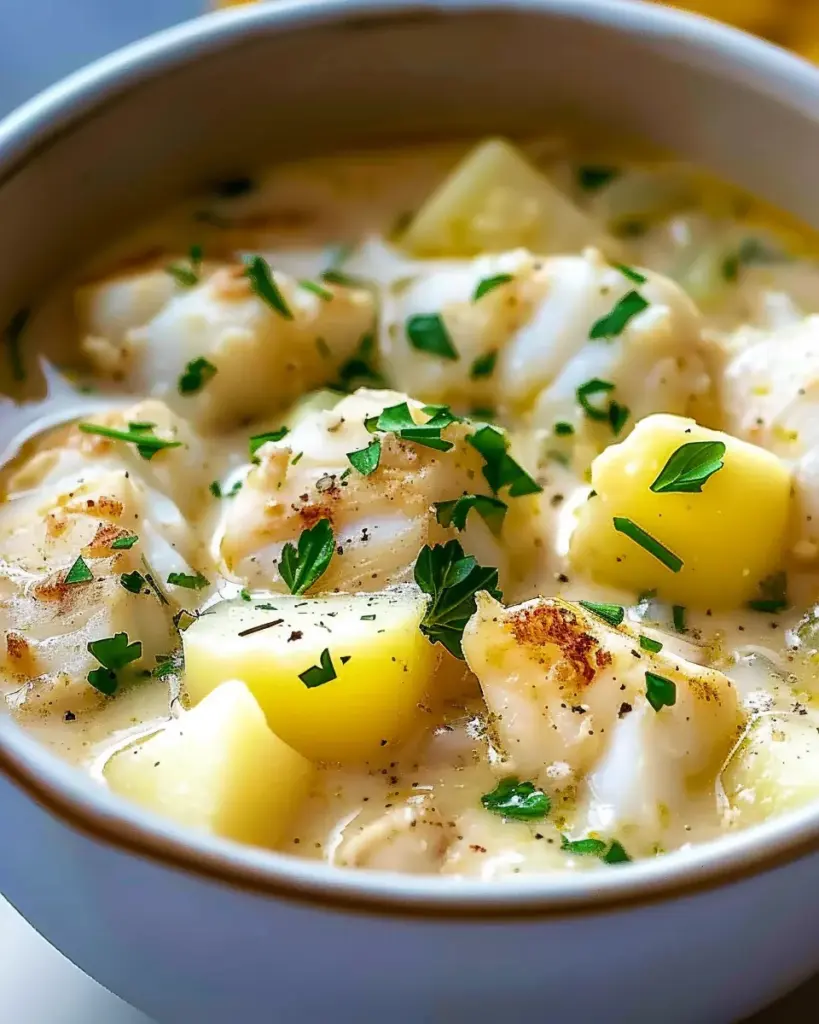
What makes Creamy New England Fish Chowder truly special is its simplicity and depth of flavor. The combination of everyday ingredients like butter, cream, and seafood stock results in a luxurious soup that feels indulgent yet approachable. This recipe is incredibly flexible, too. You can use cod, haddock, or other firm white fish to tailor the flavor and texture to your liking.
Whether you’re a seafood lover or just craving something hearty and delicious, you’ll love how easy this dish is to prepare and how wonderfully it delivers bold, comforting flavors.
Preparation Phase & Tools to Use
Essential Tools and Equipment
To make Creamy New England Fish Chowder successfully, it’s important to have the right kitchen tools. Here’s what you’ll need:
- Heavy-bottomed soup pot or Dutch oven – essential for even cooking and avoiding burnt bits at the bottom.
- Chef’s knife and cutting board – for efficiently prepping vegetables and fish.
- Measuring cups and spoons – to ensure accurate seasoning and liquid ratios.
- Wooden spoon or heat-safe spatula – for stirring the chowder without damaging the fish.
- Slotted spoon or fish spatula – useful when handling delicate fish pieces.
- Bowls for mise en place – to organize ingredients before cooking.
Importance of Each Tool
Using the right tools can make a noticeable difference:
- A heavy-bottomed pot helps distribute heat evenly, preventing hot spots that could scorch dairy.
- A sharp knife ensures clean cuts through vegetables and fish, preserving texture.
- Measuring tools help maintain the perfect balance between broth and cream.
- A slotted spoon allows gentle handling of the fish, so it stays intact in the final dish.
Preparation Tips
Maximize flavor and efficiency with these tips:
- Choose firm white fish like cod, haddock, or halibut that holds up in simmering liquid.
- Use waxy potatoes (Yukon Gold or red potatoes) which retain shape and texture.
- Chop vegetables uniformly to ensure even cooking and presentation.
- Prep ingredients beforehand – having everything ready streamlines cooking and prevents overcooking.
- Keep the fish refrigerated until just before you add it to preserve freshness and prevent premature cooking.
Ingredients List
Organized and clear, here are the ingredients needed to prepare this chowder for four servings:
- 1 lb of fresh white fish fillets (cod, haddock, or similar firm variety), cut into bite-sized chunks
- 2 cups of diced potatoes (Yukon Gold or red potatoes preferred)
- 1 medium onion, finely chopped
- 2 stalks of celery, diced
- 2 cups of fish or seafood stock (clam juice or homemade stock works well)
- 1 cup of heavy cream
- 2 tablespoons of unsalted butter
- 1 teaspoon of dried thyme (or 1 tablespoon fresh thyme)
- Salt and black pepper, to taste
- Fresh parsley, chopped (for garnish)
Optional Add-Ins and Substitutions
- Garlic cloves – for a more aromatic base.
- Bay leaf – adds depth to the simmering stock.
- Bacon – render and add for smoky undertones.
- Half-and-half or milk – if substituting for cream, increase thickness with a cornstarch slurry.
- Corn kernels – for a touch of sweetness and color.
Step-by-Step Directions
Follow these simple and effective steps for the perfect Creamy New England Fish Chowder:
- Prepare all ingredients. Dice the potatoes, chop the onion and celery, and cut the fish into uniform chunks. Set everything aside.
- Sauté the aromatics. Melt the butter in a large, heavy-bottomed pot over medium heat. Add the onion and celery. Sauté for 5–7 minutes, stirring occasionally, until vegetables are soft and translucent.
- Simmer the potatoes. Add the diced potatoes and pour in the seafood stock. Stir in thyme, salt, and pepper. Bring to a gentle boil, then reduce heat and simmer until potatoes are fork-tender, about 15 minutes.
- Add the fish. Gently stir in the fish chunks. Simmer uncovered for another 5–7 minutes, or until the fish is opaque and flakes easily. Avoid vigorous stirring to keep fish pieces whole.
- Stir in the cream. Reduce heat to low and pour in the heavy cream. Stir gently and let the chowder warm through for 2–3 minutes without boiling.
- Taste and adjust. Add more salt or pepper if needed. You may also stir in a splash of lemon juice for brightness.
- Serve hot. Remove from heat and ladle into bowls. Garnish with fresh parsley and serve with crusty bread or oyster crackers.
Tips and Variations
- For a thicker chowder, blend a small portion of the soup before adding the fish, or stir in a cornstarch slurry.
- For added depth, start the dish by rendering chopped bacon, then cook vegetables in the bacon fat.
- For a lighter version, use half cream and half milk, but be cautious not to boil the mixture to prevent curdling.
- Let the chowder rest for 10–20 minutes off the heat to deepen the flavors before serving.
Serving Suggestions
Creamy New England Fish Chowder is best served hot and freshly made. Presentation and pairing elevate the experience, making your meal both satisfying and memorable. Here are ideas to make your serving more impressive:
- Garnish generously with freshly chopped parsley or chives. This adds color contrast and a touch of freshness.
- Add a swirl of cream or a drizzle of melted butter before serving for a more decadent presentation.
- Use warm, deep bowls to help retain heat. Fish chowder is best when enjoyed steaming hot.
- Serve with crusty bread or oyster crackers, which provide texture and absorb the rich, flavorful broth.
- Pair with a crisp white wine (such as Sauvignon Blanc or Chardonnay) or a light ale that balances the creaminess.
A thoughtful presentation not only makes the dish more appealing but also enhances the dining experience. Whether it’s a quiet family dinner or a cozy dinner party, Creamy New England Fish Chowder never fails to impress when served thoughtfully.
Common Mistakes to Avoid & How to Perfect the Recipe
Even simple recipes like Creamy New England Fish Chowder can go wrong with small oversights. Here are common mistakes and how to avoid them:
1. Overcooking the Fish
Problem: Fish becomes mushy or disintegrates.
Solution: Add fish last and simmer gently for just 5–7 minutes until opaque and flaky.
2. Using the Wrong Potatoes
Problem: Starchy potatoes disintegrate and cloud the chowder.
Solution: Use waxy potatoes like Yukon Gold or red potatoes. They retain their shape during cooking.
3. Boiling After Adding Cream
Problem: Cream can curdle, ruining texture.
Solution: Keep the heat low after cream is added. Avoid boiling entirely.
4. Underseasoning
Problem: Chowder tastes flat.
Solution: Taste and adjust salt and pepper at multiple stages. Fish and potatoes need ample seasoning.
5. Skipping the Resting Time
Problem: Flavors don’t fully develop.
Solution: Let the chowder sit off heat for 10–15 minutes before serving. This enhances taste and texture.
6. Poor Ingredient Prep
Problem: Uneven texture or overcooked components.
Solution: Chop vegetables uniformly. Prep all ingredients before cooking to streamline the process.
7. Using Low-Fat Dairy
Problem: Thin texture and risk of curdling.
Solution: Always use heavy cream or a combination of cream and half-and-half for richness and stability.
8. Over-Stirring the Chowder
Problem: Fish pieces break apart.
Solution: Stir gently after adding fish and cream to preserve texture.
Perfecting Creamy New England Fish Chowder is about technique as much as ingredients. Paying attention to detail can elevate your chowder from good to outstanding.
Side Dish Recommendations
Pairing your chowder with the right side dishes transforms it into a complete and satisfying meal. Below are eight excellent side dish ideas with explanations.
1. Crusty French Baguette
A warm baguette complements the creamy broth perfectly. The crusty exterior and soft inside are ideal for soaking up every drop of the chowder. Toast it slightly for added crunch.
2. Oyster Crackers or Homemade Seasoned Crackers
These traditional companions add a mild, salty crunch to each bite. You can even season homemade crackers with thyme, sea salt, or black pepper for a flavor twist.
3. Simple Arugula Salad with Lemon Vinaigrette
A light, peppery salad with lemon vinaigrette cuts through the richness of the chowder. The acidity balances the cream and refreshes your palate.
4. Roasted Garlic Rapini or Sautéed Greens
Bitter greens like rapini or kale add depth and balance. Sauté them in olive oil with garlic to contrast the chowder’s creaminess and offer a more complex flavor.
5. Cornbread Muffins
Slightly sweet and crumbly, cornbread muffins are a comforting match for creamy chowder. They also add variety in texture and a home-style feel.
6. Steamed Green Beans with Lemon-Butter Sauce
This side is quick to prepare and provides a light, crisp element to your meal. The lemon butter enhances the subtle flavors of the fish.
7. Bacon-and-Pea Risotto
For a heartier meal, this creamy risotto provides complementary textures and flavors. The bacon echoes optional smokiness in the chowder while peas bring a touch of sweetness.
8. Pickled Vegetables (Onions, Cucumber, Radish)
A sharp, acidic pickle cuts through the rich cream and refreshes the taste buds. Quick-pickled red onions or cucumbers make an ideal contrast and colorful addition to the table.
Each of these sides brings something unique to the table, offering balance, contrast, or enhancement to the Creamy New England Fish Chowder. Choose one or combine a few for a beautifully rounded meal.
Recipe Tips, Storage and Reheating Instructions
Making Creamy New England Fish Chowder even better comes down to using the right techniques and handling leftovers with care. Below are essential tips, storage solutions, and reheating methods to maintain its flavor and texture.
Recipe Tips
- Use fresh, firm white fish – Cod, haddock, and halibut are ideal because they hold together well and have a clean, mild flavor.
- Don’t skip the aromatics – Onion and celery form the backbone of the chowder’s savory base.
- Balance cream and stock – Too much cream makes it overly rich; too little leaves it watery. Aim for a smooth, creamy texture that clings to the spoon.
- Let the chowder rest – Allowing it to sit off heat for 10–20 minutes before serving helps the flavors meld and intensify.
- Add lemon juice sparingly – Just a small splash at the end brightens the dish without overpowering the cream.
Storage Instructions
- Refrigeration: Store leftovers in an airtight container for up to 3 days in the refrigerator. Make sure the chowder cools completely before sealing to prevent condensation.
- Freezing: Freezing is not recommended for cream-based chowders. The texture may separate when reheated, resulting in a grainy or broken consistency.
- Make-ahead tip: You can prepare the base (potatoes, onions, celery, stock) ahead of time and add fish and cream just before serving for optimal texture and freshness.
Reheating Instructions
- Stovetop: Transfer the chowder to a saucepan and reheat gently over low heat. Stir frequently and avoid boiling to prevent curdling the cream and breaking the fish.
- Microwave: Use a microwave-safe bowl, cover loosely, and reheat in short intervals (30–60 seconds), stirring between each interval for even heating.
Avoid high heat and vigorous stirring. Gentle handling will maintain the chowder’s creamy consistency and keep the fish intact.
FAQs: People Also Ask About Creamy New England Fish Chowder
Here are answers to the most commonly searched questions about Creamy New England Fish Chowder, based on real queries from home cooks and food enthusiasts.
What kind of fish is best for New England fish chowder?
Firm white fish such as cod, haddock, or halibut are ideal. They maintain their shape during cooking and have a mild flavor that blends well with the creamy base.
Can I use milk instead of heavy cream?
Yes, but expect a thinner texture and a higher risk of curdling. For best results, combine half-and-half or whole milk with a cornstarch slurry to mimic the richness of heavy cream.
How do I thicken fish chowder?
You can thicken it by:
- Mashing some of the cooked potatoes
- Adding a cornstarch or flour slurry
- Using less stock and slightly more cream
Avoid adding thickeners after the cream; always mix slurries into the simmering broth first.
Can I freeze fish chowder?
Not recommended. The cream tends to separate upon thawing, and the fish may develop a rubbery texture. It’s best to refrigerate and consume within 2–3 days.
What can I serve with fish chowder?
Popular sides include:
- Crusty bread or oyster crackers
- Arugula salad with lemon vinaigrette
- Cornbread muffins
- Pickled vegetables
These side dishes provide texture, acidity, or contrast to enhance the creamy base.
Can I use leftover cooked fish in this recipe?
Yes, but add it near the end of cooking to prevent overcooking. Since it’s already cooked, just heat it through gently in the chowder before serving.
Why does my chowder taste bland?
Seasoning is key. Potatoes and fish absorb salt. Taste at multiple stages and adjust seasoning after adding the cream. You can also finish with a touch of lemon juice for brightness.
Is it possible to make this chowder gluten-free?
Yes. The standard recipe is naturally gluten-free if you avoid flour-based thickeners and ensure your stock and cream are gluten-free certified.
Can I add other seafood to this chowder?
Absolutely. Add shrimp, scallops, or clams to turn this into a seafood chowder. Just adjust cooking times to prevent overcooking.
How do I keep fish from breaking apart?
Stir gently after adding the fish and avoid overcooking. Use a slotted spoon to serve, lifting the fish carefully into each bowl.