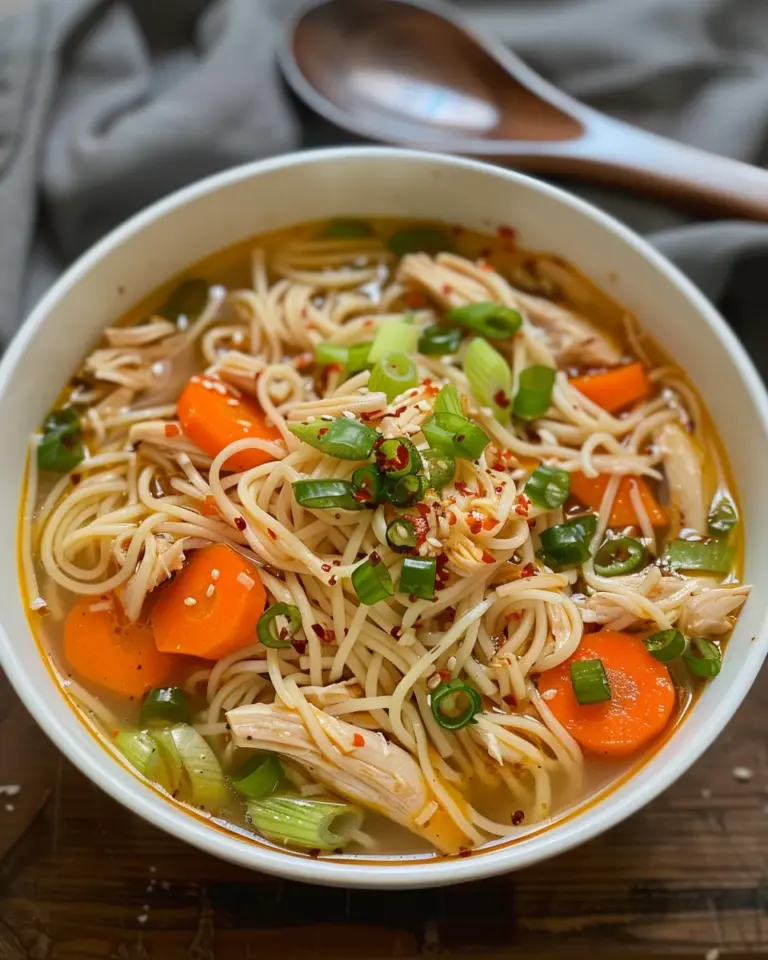
crockpot Thai Coconut Chicken Soup
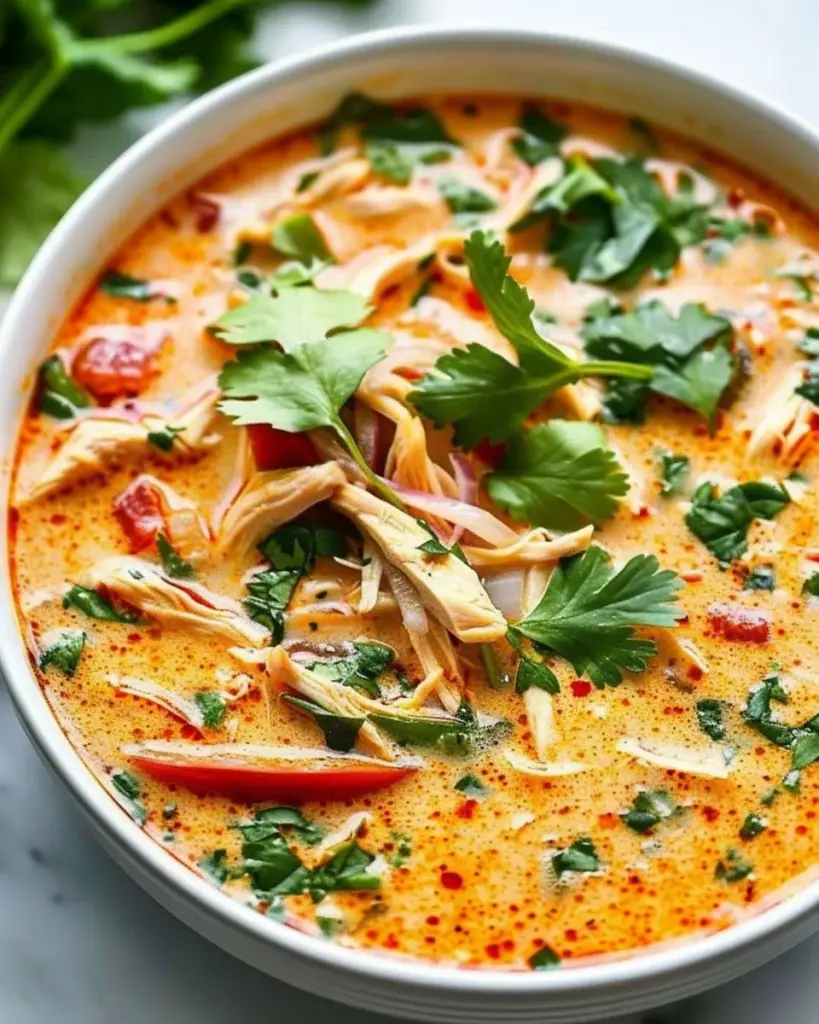
Crockpot Thai coconut chicken soup is your answer to a rich, creamy, and spicy Thai meal made with minimal effort. This slow cooker soup brings the authentic warmth of Thailand into your home kitchen using simple ingredients and hands-off cooking. With tender shredded chicken, velvety coconut milk, red curry paste, and a hint of lime, it offers a perfectly balanced flavor that’s both comforting and exotic.
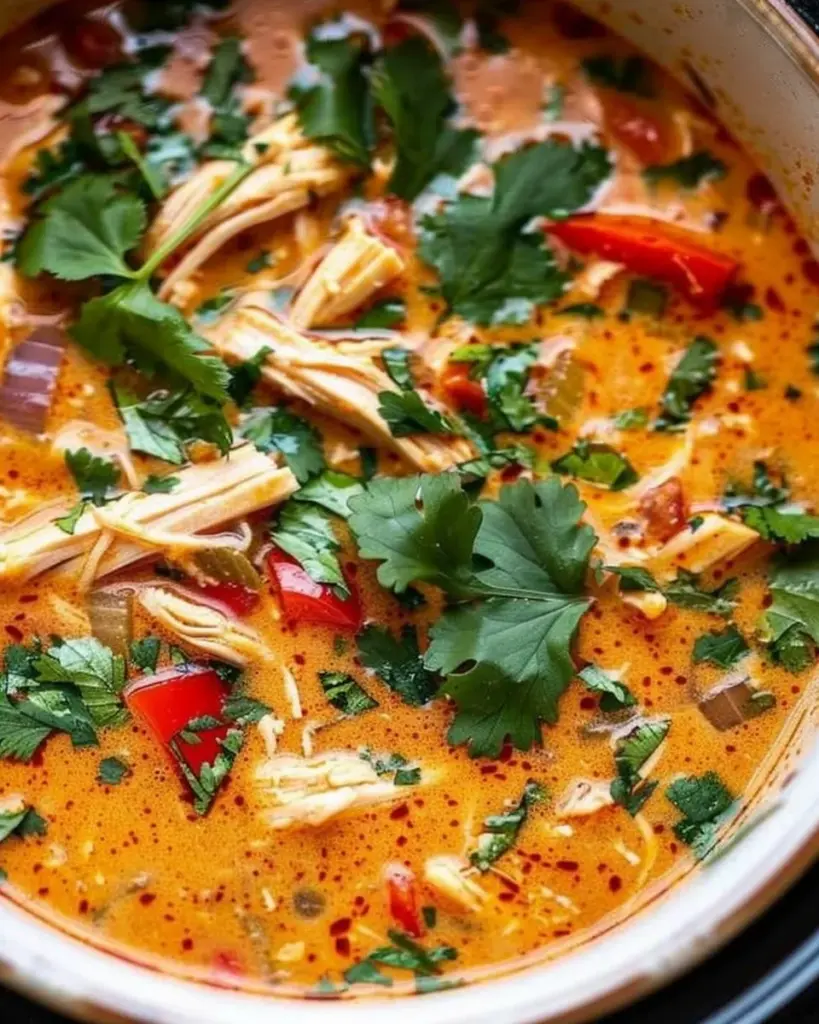
Whether you’re preparing a weeknight dinner, doing meal prep for the week, or hosting a cozy gathering, this soup is an ideal crowd-pleaser. It’s naturally dairy-free, gluten-friendly (with the right fish sauce), and easily customizable for different spice levels or dietary needs.
Why readers will love this soup:
- It’s made entirely in the crockpot — minimal cleanup
- Rich in bold Thai flavors without needing specialty equipment
- Easily adjustable spice level for families or spice lovers
- Works for lunch, dinner, or even entertaining
Let’s dive into the prep details.
Preparation Phase & Tools to Use
Essential Tools and Equipment
- Slow Cooker (5–6 quart)
Allows for even, gentle cooking. Essential for the long simmering that makes the chicken ultra tender. - Cutting Board & Sharp Knife
Used for prepping onion, garlic, bell pepper, and lime. - Measuring Cups and Spoons
Accurate measurement ensures balanced flavor. - Two Forks
For shredding chicken before returning it to the soup. - Spatula or Wooden Spoon
Useful for mixing curry paste evenly into the broth. - Citrus Juicer or Handheld Reamer
Makes juicing the lime easier and more efficient. - Serving Bowls and Ladle
Final presentation tools to serve soup warm and garnished.
Importance of Each Tool
Every tool plays a role in creating the best possible soup. The slow cooker extracts deep flavor without overcooking. Prepping tools like knives and cutting boards save time and promote consistency. Mixing tools help avoid clumps of curry paste, and serving tools finish the experience with the right presentation.
Preparation Tips
- Use boneless, skinless chicken breasts for easy shredding and lean protein.
- Slice all vegetables uniformly for even cooking.
- Shake the coconut milk can thoroughly before opening.
- For deeper flavor, optionally sauté onion and garlic before adding to the slow cooker.
- Use full-fat coconut milk for the richest and creamiest texture.
- Control spice by adjusting the amount of red curry paste.
- Add vegetables like mushrooms or baby corn in the last 30–60 minutes to prevent overcooking.
- Stir in lime juice only at the end to retain its bright, fresh flavor.
- Garnish with fresh cilantro just before serving for a fresh herbal finish.
Ingredients List
Main Proteins & Base
- 1 lb boneless, skinless chicken breasts
- 4 cups chicken broth
- 1 can (14 oz) coconut milk
Seasonings & Sauces
- 2 tablespoons red curry paste
- 1 tablespoon fish sauce
Vegetables & Aromatics
- 1 onion, diced
- 2 garlic cloves, minced
- 1 red bell pepper, sliced
Finishing Touches
- 1 lime, juiced
- Fresh cilantro for garnish
Optional Add-ins & Variations
- Mushrooms (e.g., shiitake, cremini)
- Baby corn or snap peas
- Chopped Thai basil or green onions
- Extra red chili slices for heat
- Cooked rice or rice noodles to serve
Step-by-Step Directions
- Prepare Ingredients:
Dice the onion, mince the garlic, slice the red bell pepper, and juice the lime. - Add to Crockpot:
Place chicken breasts at the bottom of the slow cooker. Add chicken broth and coconut milk. Stir in red curry paste, fish sauce, diced onion, garlic, and bell pepper. - Cook:
Cover and cook on Low for 6–7 hours or High for 3–4 hours, until the chicken is fully cooked and tender. - Shred the Chicken:
Remove chicken from the pot and shred using two forks. Return shredded chicken to the crockpot and stir. - Finish with Lime Juice:
Stir in the freshly squeezed lime juice right before serving. - Serve:
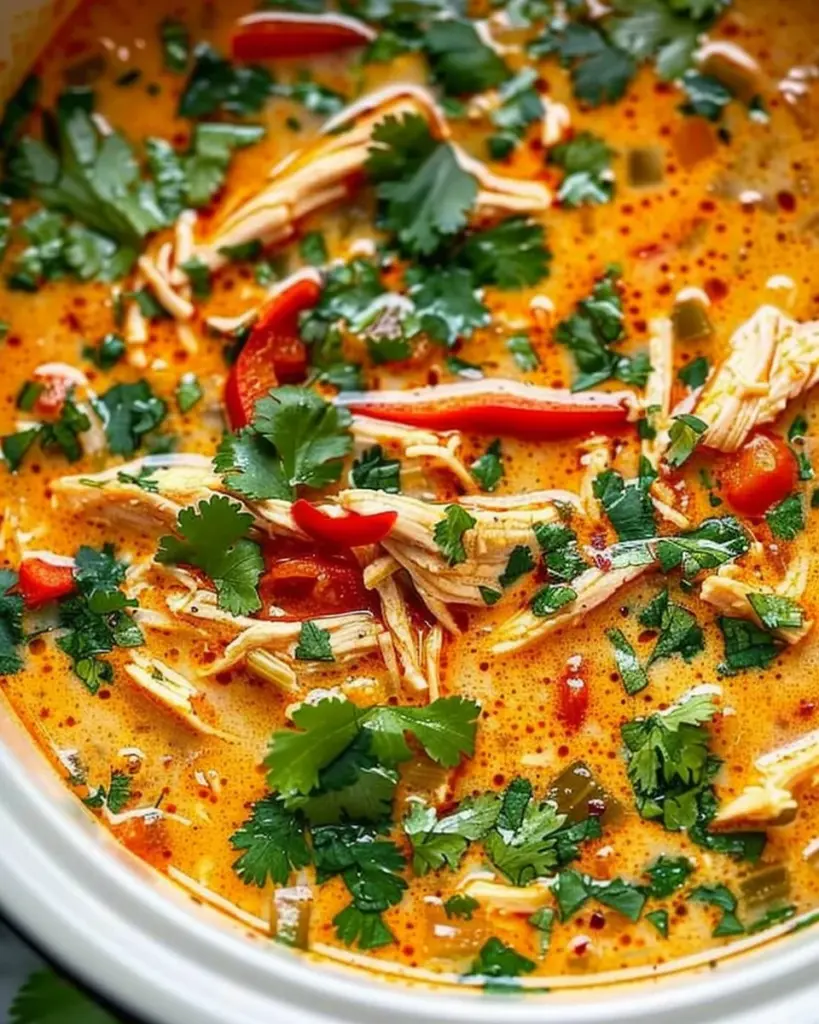
Ladle soup into bowls. Garnish with fresh cilantro and additional toppings if desired.
Tips & Variations
- Less spicy: Use 1 tablespoon curry paste or switch to a milder paste.
- More heat: Add extra red curry paste or top with sliced Thai chilis.
- Creamier texture: Stir in a tablespoon of coconut cream at the end.
- Heartier soup: Add cooked rice or rice noodles before serving.
- Vegetarian version: Use tofu or chickpeas and replace fish sauce with soy sauce.
Serving Suggestions
Crockpot Thai coconut chicken soup is a complete dish on its own, but pairing it with thoughtfully selected sides or serving enhancements can elevate the experience. Whether you’re enjoying it solo or entertaining guests, these suggestions ensure a balanced, satisfying meal.
Presentation Tips
- Serve the soup hot in deep bowls to showcase the creamy texture and vibrant colors.
- Add a sprig of fresh cilantro or thinly sliced red chili for visual appeal and a fresh flavor pop.
- A wedge of lime on the side allows diners to adjust the acidity to their liking.
Serving Options
- As a main dish: Serve larger portions with a side of rice or noodles.
- As a starter: Offer smaller bowls with a lighter main course to follow.
- For meal prep: Divide into containers and garnish before serving each portion.
Drink Pairings
- Thai iced tea: The sweetness balances the soup’s heat.
- Crisp white wine: Choose a Sauvignon Blanc or Riesling.
- Sparkling water with lime: Refreshing and complements the limey tang of the soup.
- Light lager or pilsner: Cleanses the palate between bites.
Common Mistakes To Avoid & How to Perfect the Recipe
Making soup in the crockpot is mostly hands-off, but a few common errors can affect the final flavor and texture. Here’s how to avoid them and perfect your results.
Mistake: Overcooking the Chicken
- Why it happens: Leaving chicken in the crockpot too long.
- Solution: Stick to the recommended cook time and shred the chicken as soon as it’s tender.
Mistake: Coconut Milk Separates
- Why it happens: Heating on too high or for too long.
- Solution: Use full-fat coconut milk and cook on low heat. Do not boil.
Mistake: Soup Lacks Balance
- Why it happens: Missing the acid or umami components.
- Solution: Always add lime juice at the end and don’t skip fish sauce. Taste before serving.
Mistake: Mushy Vegetables
- Why it happens: Adding delicate vegetables too early.
- Solution: Add quick-cooking veggies in the last 30–60 minutes of cook time.
Mistake: Weak Flavor
- Why it happens: Curry paste not fully mixed or too diluted.
- Solution: Stir the paste into the liquids thoroughly before cooking. Taste and adjust near the end.
Mistake: Soup Too Thin
- Why it happens: Using too much broth or low-fat coconut milk.
- Solution: Use correct measurements and full-fat coconut milk. Reduce by simmering uncovered near the end if needed.
Mistake: Skipping Garnish
- Why it matters: Final flavors and appearance depend on fresh toppings.
- Solution: Use cilantro, lime wedges, or chili slices to enhance flavor and presentation.
Mistake: Spice Level Too High
- Why it happens: Using too much red curry paste or spicy garnishes.
- Solution: Start with less curry paste and let guests add heat at the table.
Side Dish Recommendations
Balancing this rich and creamy soup with light or starchy sides can make your meal more filling and diverse. Here are eight perfect pairings.
Jasmine Rice
Fluffy steamed jasmine rice soaks up the flavorful broth beautifully. Serve it on the side or stir directly into the soup.
Rice Noodles
Thin or flat rice noodles can be added directly into the bowl before serving or kept on the side for a DIY meal setup.
Thai Cucumber Salad
A light, tangy salad made from cucumber, rice vinegar, a dash of sugar, and chili flakes. It offers cooling contrast to the soup.
Steamed Bok Choy
Mild and fresh, bok choy pairs well with the spicy richness of the soup. Drizzle with sesame oil for extra flavor.
Roti or Chapati
Flatbreads like roti or chapati are perfect for dipping into the broth and add a comforting texture.
Fresh Spring Rolls
Made with rice paper, vermicelli, herbs, and shrimp or tofu. Dip into a peanut or hoisin sauce for extra taste.
Fried Spring Rolls
Crispy rolls filled with veggies or meat add a crunchy counterpoint. A spicy dipping sauce enhances the Thai theme.
Mango Sticky Rice
A sweet and creamy Thai dessert that complements the savory soup and balances out the spice.
Recipe Tips, Storage, and Reheating Instructions
To make the most out of your crockpot Thai coconut chicken soup, it’s important to know how to store, reheat, and adapt it for future meals. This section ensures your soup remains delicious long after it’s cooked.
Recipe Tips
- Double the batch for meal prep: This soup stores well and gets even better the next day.
- For a thicker soup: Add a cornstarch slurry (1 tablespoon cornstarch mixed with 2 tablespoons water) 30 minutes before cooking ends.
- Enhance authenticity: Add bruised lemongrass stalks, kaffir lime leaves, or galangal if available.
- Vegetarian version: Substitute chicken with tofu or chickpeas. Use vegetable broth and soy sauce instead of fish sauce.
- Add greens: Stir in spinach or kale during the last 5 minutes of cooking for added nutrients and color.
- Adjust seasoning post-cook: Always taste after cooking. Add more lime juice for brightness, or extra fish sauce for salt and umami.
Storage Instructions
Refrigerator
- Cool completely before storing to prevent condensation inside containers.
- Store in airtight containers in the refrigerator for up to 4 days.
- Label with the date to keep track of freshness.
Freezer
- Store in freezer-safe containers, leaving a little space at the top to account for expansion.
- Keeps well in the freezer for up to 2 months.
- Note: Coconut milk may separate slightly during freezing. Stir gently after reheating to restore texture.
Reheating Instructions
From the Refrigerator
- Stovetop: Pour soup into a saucepan. Heat over medium-low, stirring occasionally until hot. Add a splash of broth or coconut milk if it thickened too much.
- Microwave: Place in a microwave-safe bowl. Cover loosely and heat in 60-second intervals, stirring in between until hot.
From the Freezer
- Thaw overnight in the fridge or use the defrost setting on your microwave.
- Follow the above reheating instructions once thawed.
After Reheating
- Add fresh lime juice and cilantro after reheating to restore brightness and freshness.
- Taste and adjust seasoning as needed.
Frequently Asked Questions (FAQs)
Can I use chicken thighs instead of breasts?
Yes. Chicken thighs offer more flavor and stay moist even with longer cooking times.
Can I make this on the stovetop instead?
Absolutely. Sauté the aromatics in a pot, then add remaining ingredients. Simmer for 20–30 minutes, then shred the chicken and finish with lime juice.
My coconut milk separated — what went wrong?
Coconut milk can split when overheated. Always cook on low and avoid boiling. Stir gently after reheating to re-emulsify.
Can I freeze leftovers?
Yes. Let the soup cool fully, then freeze in airtight containers. For best results, reheat gently and stir to restore the texture.
How spicy is this soup?
Moderately spicy. Adjust by increasing or decreasing the red curry paste. Add fresh chilis for extra heat, or use less paste for a milder version.
Can I skip the fish sauce?
Yes. Use soy sauce or tamari as a substitute, especially for a vegetarian version. You may lose a bit of umami but the soup will still taste great.
Can I add rice or noodles?
Yes. Stir in cooked rice or rice noodles just before serving, or serve them on the side for a heartier meal.
Is this soup gluten-free?
Yes, as long as you use a gluten-free fish sauce or tamari. Always check labels on packaged products.
Can I prep this soup in advance?
Definitely. You can make the soup a day ahead. Store in the refrigerator and reheat just before serving. The flavors will deepen overnight.
What’s the best way to reheat without overcooking?
Use low heat on the stovetop and stir gently. Add a splash of broth or coconut milk if needed. Avoid using high microwave settings.